Health is more than a checkup.
A blood pressure reading tells you something. The home, the kitchen, the water supply, the school, and the street tell you the rest. Treating one and ignoring the others produces short-lived results, so Samba Sunshine works across all of them, in the same communities, with the same people, over time.
Eight conditions, one outcome.
Our work is informed by the social determinants of health, the idea that the conditions where people live, learn, work, and age shape health outcomes as much as medical care does. Samba Sunshine is not affiliated with Healthy People 2030; we use the framework as a lens for our own programs.
Healthcare
Screening, consultation, and referral brought to people where they already are, so that distance, cost, and time away from work stop deciding who gets seen.
Nutrition
Food security and practical nutrition education, because recovery, growth, immunity, and concentration all rest on what is available to eat this week.
Housing
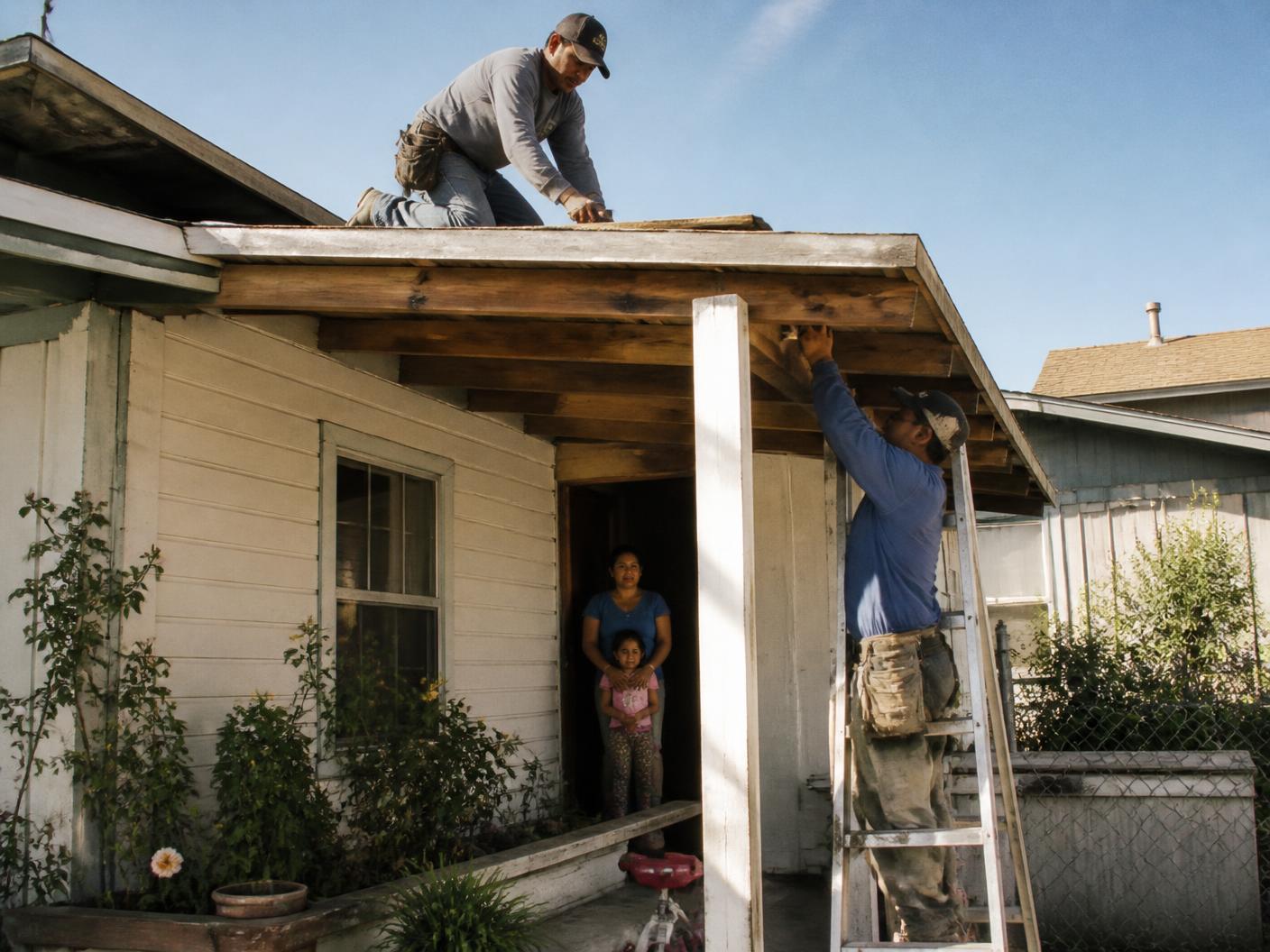
Homes that are dry, warm, and structurally sound, assessed for the mold, leaks, cold, and hazards that quietly generate illness and injury year after year.
Water & Sanitation
Safe water, hygiene supplies, and handwashing infrastructure, paired with education so that the same preventable infections stop returning.
Education
School support and health literacy, two things that compound over a lifetime and protect a child long after any single program has ended.
Safety
First aid skills, emergency response, and household preparedness, so a community is not waiting helplessly through the minutes that matter most.
Community Support
Connection, trust, and belonging are protective factors in their own right. Isolation makes every other risk on this list worse.
Local Capacity
Trained volunteers, community health workers, and stronger local organizations, so that capability stays in the community rather than leaving with us.
None of these stand alone. Improve one and you relieve pressure on the others; neglect one and it undoes progress everywhere else.
What this looks like in a single household
A grandmother comes to a screening day for a cough that has lasted months. The clinician finds high blood pressure as well, and a referral is made. A volunteer visits the home the following week and finds a leaking roof, damp walls, and a kitchen with no reliable safe water. Food is running short before the end of the month, and two grandchildren have been missing school.
Treating the cough alone would have solved almost nothing. The repair, the water and hygiene support, the food and nutrition guidance, the school support, and the follow-up visit are all part of the same piece of work, because in that house they are all the same problem.
From an immediate need to long-term wellbeing.
Health
Nutrition
Safe housing
Water & sanitation
Education
Safety
Community capacity
Long-term wellbeing
We enter wherever the community needs us to enter (a screening day, a food distribution, a leaking roof) and work along the chain from there. The entry point is rarely the whole problem, and it is never treated as the whole job. What begins as one repair or one clinic day becomes a relationship with a household, and from there a picture of what the community itself wants to change next.
Seven working commitments.
Prevention
We believe prevention starts with addressing everyday factors that affect health and wellbeing. Clean water, good hygiene, proper nutrition, routine health screenings, and basic safety education can all play an important role in helping people stay healthier and avoid preventable problems.
Early Intervention
Identifying a concern early can make it easier to connect someone with the right support. Through screenings, education, and community outreach, we aim to recognize potential concerns and help people access appropriate care or services before a problem becomes more serious.
Education
What we share should be useful beyond the moment. Our educational activities are designed to be practical, easy to understand, and relevant to everyday life, giving people knowledge they can use themselves and share with others in their families and communities.
Referrals
Identifying a health concern is only the beginning. When someone needs additional care or support, we aim to help connect them with appropriate healthcare providers, community services, and other resources. Where possible, we also seek to understand whether people were able to access the support they were referred to.
Community Participation
Good programs begin with listening. We seek input from community members, local leaders, volunteers, and organizations so that our work reflects the needs and circumstances of the people we are trying to serve.
Local Capacity Building
We believe communities are stronger when local people and organizations have the knowledge, skills, and resources to continue the work themselves. We aim to support volunteers, community health workers, and local organizations through training, collaboration, and practical resources.
Follow-Up
Our work does not end with a screening, workshop, distribution, or outreach event. We aim to follow up where appropriate, learn what worked, understand what still needs attention, and use those lessons to improve future programs.
Fund care that treats the cause, not only the symptom.
Whether you give, volunteer, or partner with a program, your support helps deliver essential care and lasting opportunity where it is needed most.