Healthier people.
Stronger communities.
Brighter futures.
Samba Sunshine works alongside underserved communities in the United States and Africa to improve health, wellbeing, safety, access, and opportunity, starting with the everyday conditions that decide how long and how well people live.
Health is shaped long before anyone reaches a clinic.
Being healthy is about more than seeing a doctor when something goes wrong. For many families and individuals, everyday circumstances can make it harder to stay healthy in the first place. Not having enough food, living in an unsafe home, lacking clean water, missing school, or being unable to get to a healthcare provider can all affect a person’s health and quality of life.
These challenges are often connected. A child who goes to school hungry may struggle to learn. An older adult living in an unsafe home may face a greater risk of injury. A family dealing with poor housing or limited access to clean water may continue facing health problems that could have been prevented.
This is where Samba Sunshine sees an opportunity to make a difference. We bring health, prevention, basic needs, education, safety, and community support together because people should not have to face these challenges alone. By listening to communities and working with local leaders and organizations, we aim to help address the needs that affect people’s health, dignity, and ability to build a better future.
Listen First
We listen to communities and understand their needs before designing our response.
Work Together
We partner with local leaders, organizations, professionals, and volunteers.
Use Resources Responsibly
We are committed to thoughtful stewardship of donations, grants, and other resources.
Measure & Learn
We track our progress, learn from our work, and improve as we grow.
Healthcare access
For many households the obstacle is not willingness but logistics: a clinic too far to reach without a full day off work, a fee that competes with groceries, or a waiting list that stretches past the point of urgency. Small problems become serious ones simply because nobody looked at them in time.
Food & nutrition
Medication taken on an empty stomach, a child trying to concentrate through hunger, an elderly person quietly skipping meals near the end of the month. Nutrition sits underneath recovery, growth, immunity, and learning, which is why food support belongs inside health work rather than beside it.
Housing
Damp walls and mold drive asthma and repeat infection. A failing roof, cold rooms, faulty wiring, or a loose stair turn a home into a source of injury and illness. These risks rarely appear in a medical chart, yet they explain a great deal of what does.
Water & sanitation
Where safe water, handwashing, and sanitation are unreliable, the same preventable illnesses come back regardless of how well they were treated last time. Hygiene supplies and working stations often prevent more disease than any single clinical intervention in the same community.
Education
A term missed because of illness, an unaffordable uniform, or an uncorrected vision problem can quietly redirect a child's whole path. Education is one of the strongest long-term predictors of health, so keeping children in school is health work in its own right.
Safety
Injuries, overdoses, storms, and household emergencies hit hardest where nobody nearby is trained and help is slow to arrive. Basic first aid skills and prepared households change the outcome of the minutes that matter most.
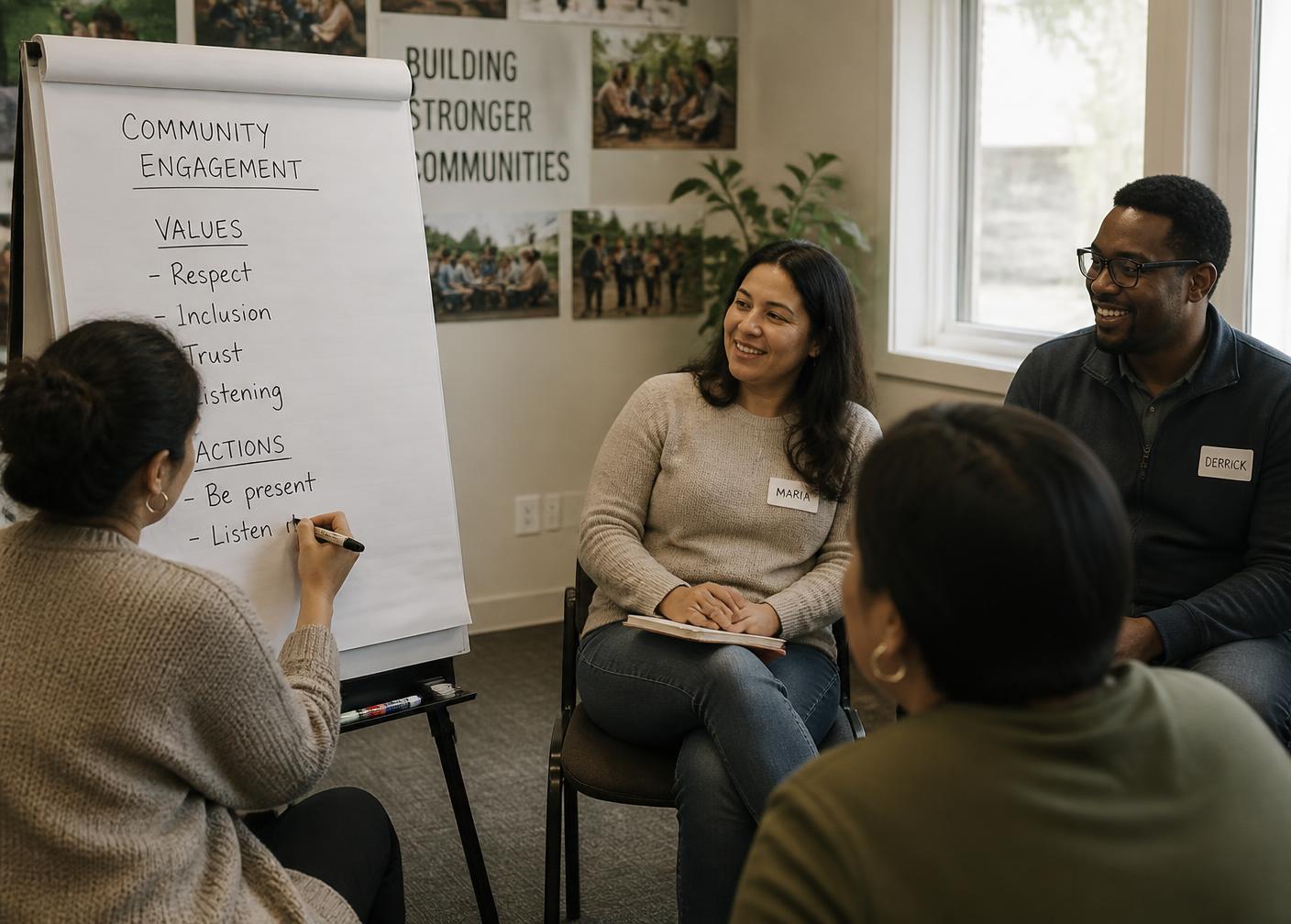
We believe healthier communities are built by addressing the conditions that shape everyday life.
Our programs are deliberately linked. Screening days lead to referrals somebody is responsible for following up. Food support arrives with nutrition guidance and malnutrition screening. Housing repairs are scoped against the health risks found in the home. Workshops are taught in a way that local volunteers can repeat without us. The aim is not a single successful visit; it is a community that is measurably better equipped a year later.
Four pillars. Ten programs. One connected system.
Health & Prevention
Helping people access basic health services, learn how to prevent illness, and prepare for emergencies.
Basic Needs & Healthy Living
Supporting the everyday needs that help people stay healthy, safe, and well.
Children & Opportunity
Helping children stay healthy, supported, and ready to learn.
Community Capacity
Working with local people and organizations to build skills, strengthen resources, and create lasting support within the community.
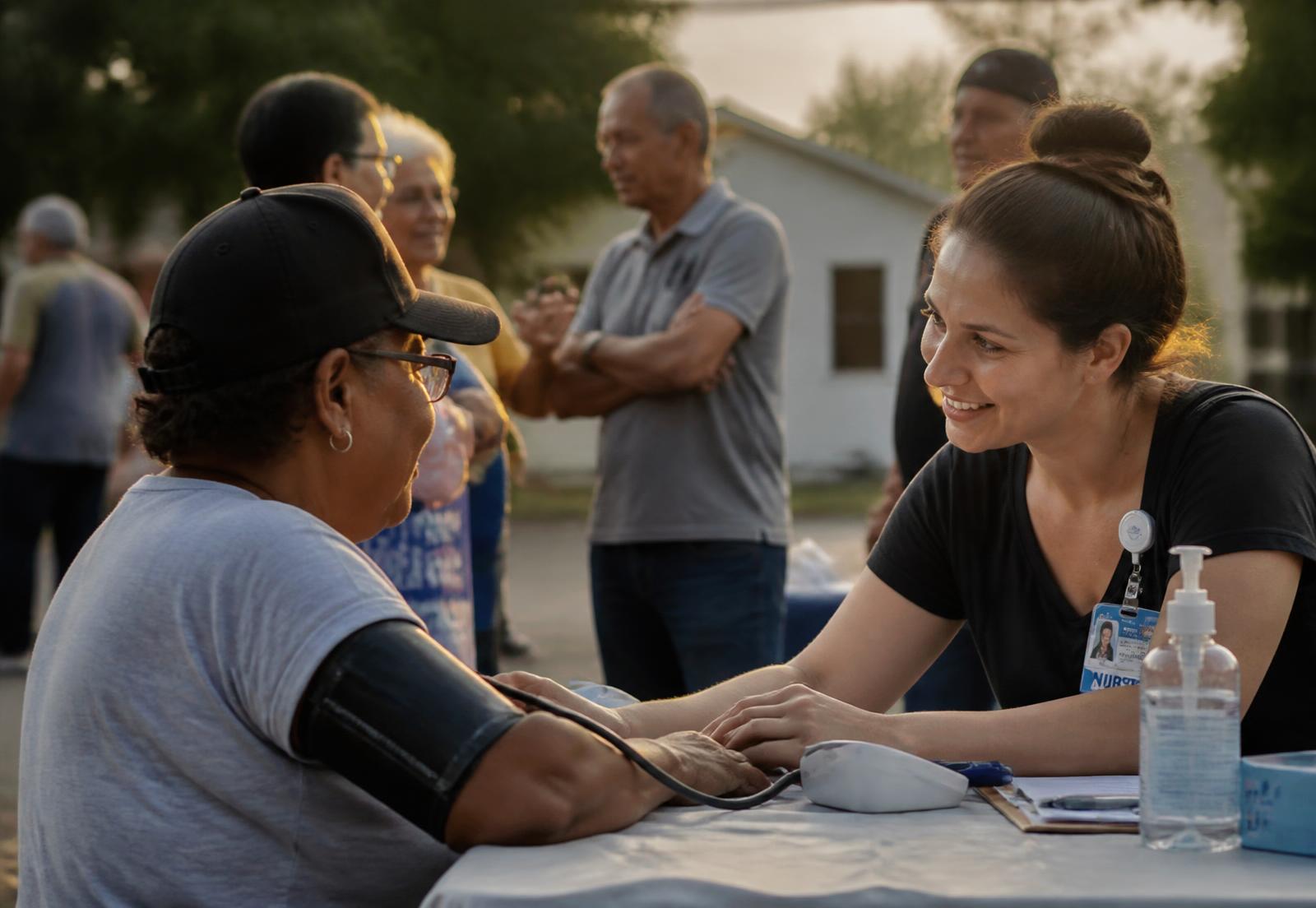
Community Health Screening Days
Community Health Screening Days are designed to bring basic health screenings and education closer to people who may have difficulty accessing regular healthcare. When a concern is identified, we aim to help connect people with appropriate follow-up care and referrals.
- Blood pressure screening
- Diabetes screening
- Anemia screening
- Vision screening
- Hearing screening
- Cancer awareness and screening referrals
- Oral health education and prevention
- Basic health consultations
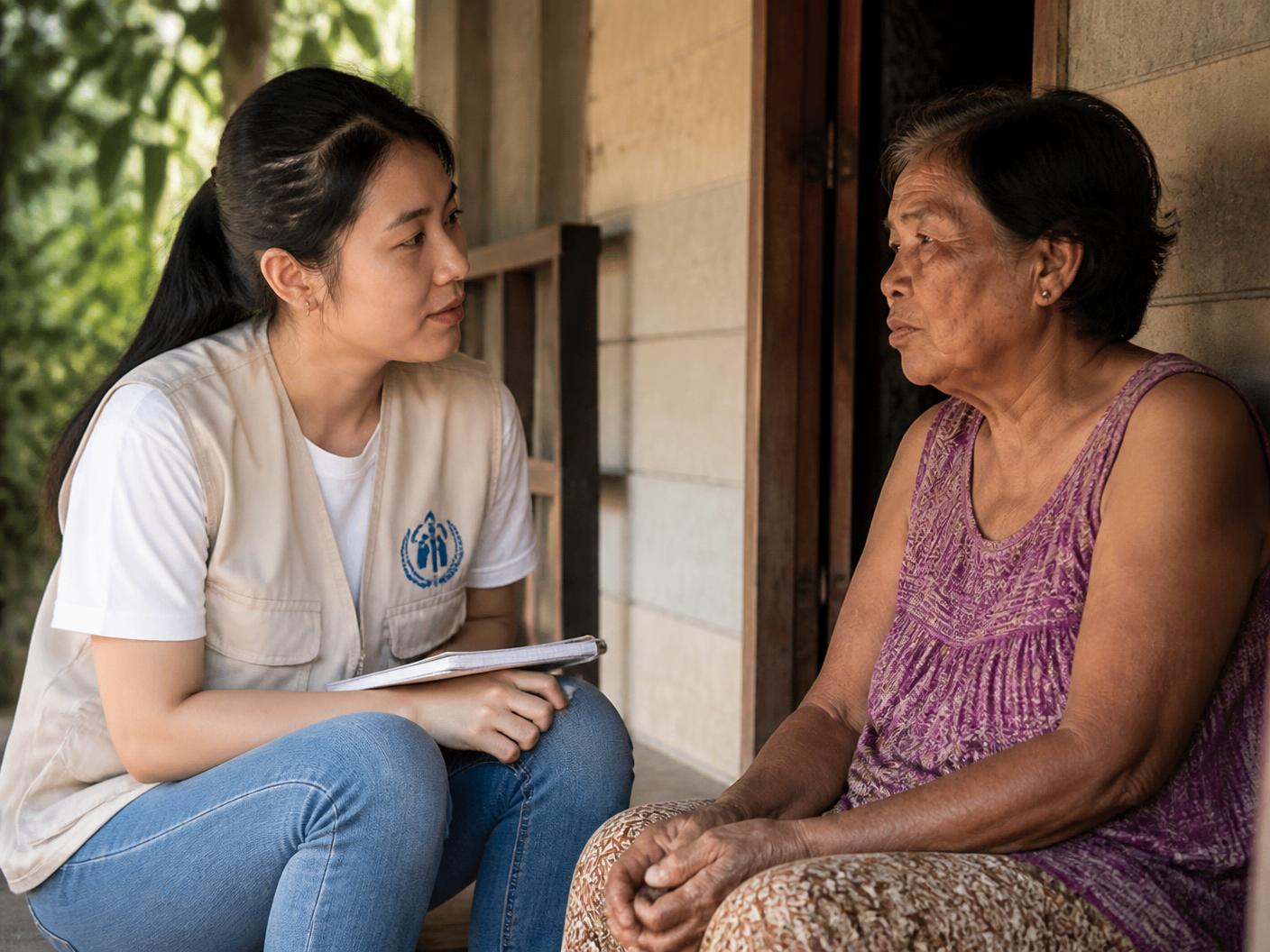
Support based on what people need.
These are the people and communities our work is built around. They are often furthest from essential services and closest to the consequences when those services fail. And in most cases, they already know what would help, if someone takes the time to ask. We ask, and we design accordingly.
Children & students
Learning can quietly fall apart when a child cannot see the board, arrives at school hungry, or lacks the supplies their classmates have. We combine school support with health checks and nutrition assistance so that solvable problems do not become barriers to a child's education.
Orphans
Children without parental support can face gaps in healthcare, education, nutrition, and daily stability all at once. Our support is designed for continuity, providing consistent nutrition, health follow-up, and educational support that does not disappear after a single distribution.
Elderly people
Older adults living without nearby family or dependable support can be more likely to miss health screenings and live with preventable risks at home. We bring appropriate checks closer to them, identify household risks such as falls and unsafe conditions, and maintain follow-up where possible.
Prisoners
People in incarceration can be excluded from basic prevention and health education. Where access is permitted and coordinated with the responsible authorities, we provide health information and dignity-centered support without conditions or judgment.
Low-income families
When a household is under financial strain, families are often forced to make impossible choices between food, medicine, housing, transportation, and other essentials. We look at these needs together because addressing only one rarely changes the underlying situation.
Underserved communities
Entire neighborhoods and villages can go without reliable services because of distance, cost, staffing shortages, or long-standing neglect. We work in these communities through people and local structures already trusted there, while supporting approaches that can continue after our visit.
Two regions. One standard of care.
Samba Sunshine operates from Yarmouth, Maine, carrying a unified commitment to health, dignity, and community-led development across all our programs. Whether supporting families locally in the United States or partnering with regional organizations in Africa, our approach stays rooted in local leadership, household-centered care, and sustainable outcomes.

United States
Headquartered in Yarmouth, Maine, serving local communities through health, wellness, and community support initiatives.
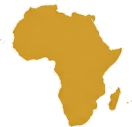
Africa
We partner with local leaders, community organizations, and grassroots organizations across target regions to address the immediate needs of their communities.
Four ways to carry this work forward.
Build healthier, stronger communities with us.
Whether you give, volunteer, or partner with a program, your support helps deliver essential care and lasting opportunity where it is needed most.